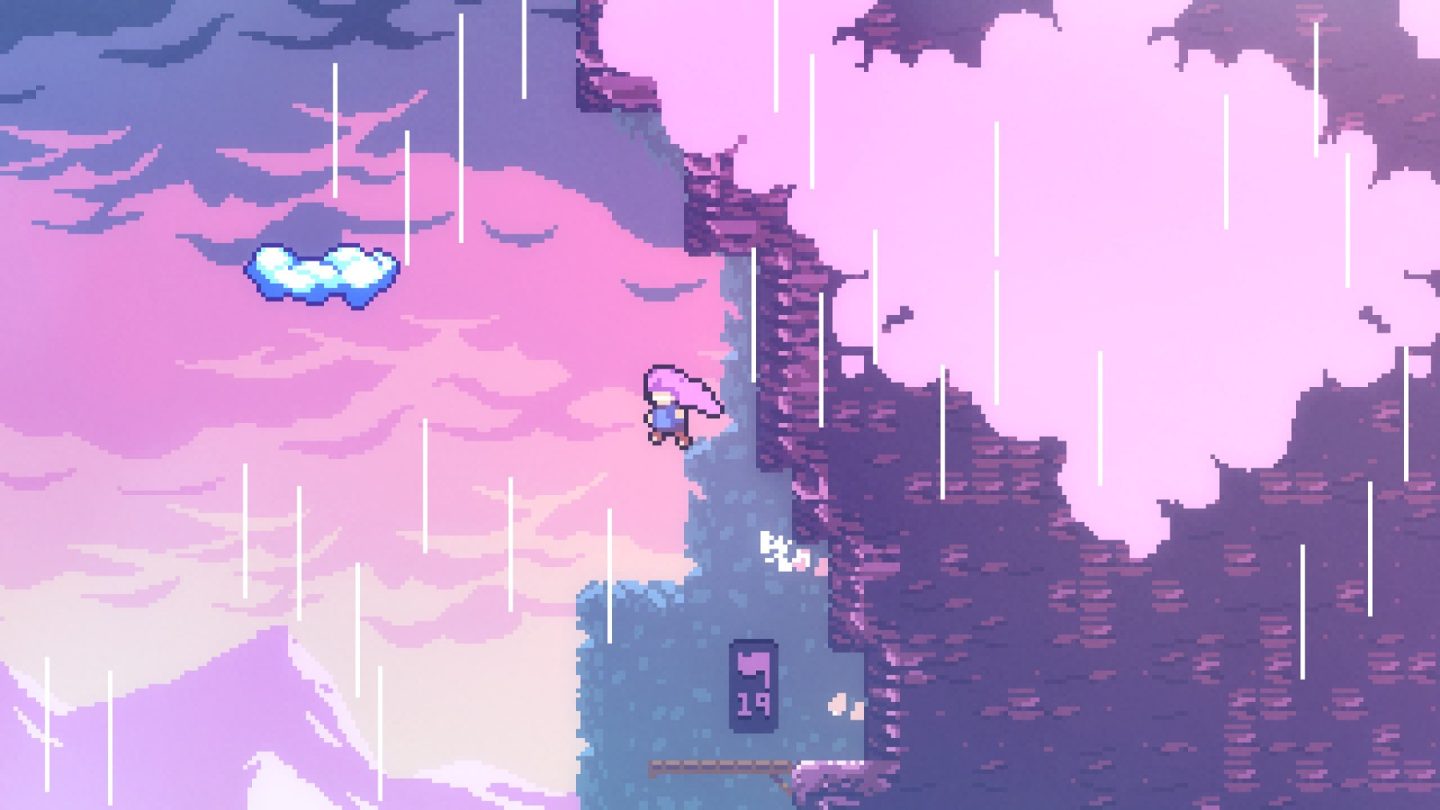
Celeste becomes easier to understand when you stop viewing each room as a demand for reflexes and begin reading it as a short movement plan. Your first job is to identify safe surfaces, dangerous spaces and the action that connects them. Execution still matters, but a clear plan gives each attempt a purpose. This guide focuses on introductory movement and a sustainable way to practice, rather than advanced speedrunning techniques.
The advice applies to the basic climb. Later rooms and optional challenges can introduce additional mechanics or alter what a route demands. Read the room in front of you and test unfamiliar objects before assuming an old pattern applies. A useful guide should help you ask better questions, not convince you that every screen has the same solution.
1. Make the controls comfortable first
Before chasing difficult jumps, spend time with a layout that lets you jump, climb and dash without awkward hand movement. Use a familiar input device if possible, but do not assume that another player's preferred setup is automatically right for you. Directional precision matters, particularly for diagonal dashes. Test whether the direction you intend is consistently the direction you produce.
If a command repeatedly feels unreliable, distinguish an input problem from a timing problem. Try the action on a safe surface, then add movement. You may discover that you are changing direction just before pressing dash, or releasing a button earlier than intended. A controlled test gives you something to adjust. Repeating the full difficult sequence immediately can hide the smaller issue you actually need to solve.
2. Read a room before committing to it
Locate the exit, the nearest safe landing and any obvious hazards. Then look for the first place where you will need to make a decision in midair. You do not need to solve the whole room instantly, but you should know where the opening move is supposed to end. A jump without a destination leaves the dash to solve an emergency instead of carrying out a plan.
Separate the route into segments when the layout allows it. Reaching a stable surface can reset your attention and give you a new starting point for the next problem. If a room has no comfortable pause, rehearse the action sequence mentally before starting. A short phrase such as jump, dash right, land can be more useful than a vague impression of needing to move quickly.
3. Give the dash a specific job
The dash is powerful because it can change the route sharply, but spending it too early can leave the final gap impossible. Decide whether it is being used for distance, height, correction or passing a hazard. Those are different jobs. When you know the intended job, a failed attempt tells you whether the dash happened at the wrong position, in the wrong direction or at the wrong time.
Under ordinary starting conditions, landing restores your dash. Special objects and later situations can affect movement resources, so observe the visual feedback rather than relying on memory alone. Before leaving a surface, confirm what is available. A route that depends on an additional dash will not work merely because the previous attempt felt close. Understanding resource recovery is as important as understanding the direction of the gap.
4. Use walls with attention to stamina
Climbing can create opportunities that a direct jump misses, but holding a wall indefinitely is not a complete plan. Watch how the game communicates your available stamina. Identify the next safe point before committing to an extended climb. If you repeatedly run out at the same place, consider whether the route should use a jump, a different approach or a shorter period of holding.
Practice moving between wall contact and a deliberate jump in an uncomplicated setting. You want the relationship between contact, direction and release to feel predictable. Avoid trying to solve every wall problem by pressing harder or holding longer. Precision often means using less input at the right moment. A small, repeatable action is easier to build into a longer route than a desperate correction.
5. Change one thing between attempts
When a sequence fails, name the point where the plan stopped working. Did you hit the obstacle before the dash, overshoot the landing or arrive without enough height? Choose one adjustment for the next attempt. Changing direction, timing and action order simultaneously makes it harder to know which part improved. Useful practice produces information even before it produces a completed room.
Keep the adjustment concrete. Start the jump closer to the edge is testable; be more accurate is not. Once a segment becomes reliable, preserve it while experimenting with the next. This reduces the amount of the route you have to reconsider each time. Gradually, the room changes from one intimidating problem into a series of familiar movements joined together.
6. Treat optional objectives as optional
Visible collectibles can encourage routes that are more demanding than simply reaching the exit. Decide whether you want that additional problem now. If the main route already requires most of your attention, moving on can be a sensible choice. You can appreciate a challenge without accepting it immediately. A first climb does not need to become a complete collection run.
If you choose to pursue an optional objective, first understand how it changes the route. Does it require spending the dash differently, returning to a safe surface or taking a longer sequence without a pause? Solve that question explicitly. Repeatedly improvising toward an attractive object can create frustration because the original exit route may no longer be available after the detour.
7. Use Assist Mode for the problem you have
Celeste includes Assist Mode to let players adjust the experience. Open the relevant options and read their descriptions in your installed version. Consider which obstacle you are trying to address: the speed of the action, the available movement resources or the physical demand of repeated inputs. Choose support that makes the next attempt understandable and enjoyable for you.
There is no need to treat a setting as a statement about your worth as a player. Options exist to change the relationship between the game and the person using it. You can experiment and reassess. A configuration that helps you understand a route may serve a different purpose from one that makes extended play comfortable. The useful outcome is access to an experience you want to engage with.
8. Recognize when repetition stops teaching
Fast retries make it easy to continue, but not every additional attempt is productive. If you no longer remember what you intended to change, pause. Look at the room without making inputs. Describe the route and the current obstacle. This simple reset can reveal that you have been repeating an outdated plan rather than testing the adjustment you originally meant to make.
Fatigue also affects directional control and patience. A short break may help more than another burst of increasingly hurried attempts. You do not need to end every session immediately after a major success. Stopping at a clear checkpoint with a useful understanding of the next problem can be a good place to leave the climb. Progress includes preserving the desire to return.
9. Build a small vocabulary of dependable moves
As you continue, pay attention to movements that appear in several different rooms. A controlled diagonal dash, a deliberate jump from a wall or a reliable landing near an edge can become a familiar tool. Recognizing the same action in a new arrangement reduces the feeling that every screen requires starting from nothing. The game becomes more expressive as these tools become comfortable.
Do not rush into advanced techniques because a video makes them look essential. Learn the movement the current route asks you to use. More specialized methods can be interesting later, but an introductory climb benefits from clarity. A dependable basic action gives you a foundation for experimentation. An advanced input performed inconsistently can make a simple room harder without teaching the lesson you actually need.
Before your next attempt
- Identify the landing or exit you are trying to reach.
- Decide what the dash is supposed to accomplish.
- Check which movement resources are available.
- Change one part of a failed sequence at a time.
- Leave optional challenges for later when that improves the experience.
- Adjust options or take a break when repetition stops being useful.
Read our Celeste review for an assessment of its movement and emotional framing. The official developer change log records updates and options. Our essay on accessibility and difficulty explains why a game's challenge and a player's access to it deserve separate consideration.

What is your perspective?
Share a useful observation. Keep spoilers clearly signposted and follow our community guidelines.