Arguments about difficulty often begin with an assumption that a game presents the same task to everyone. The controls are identical, the enemy behaves the same way and the objective does not change, so the challenge appears equal. In practice, the relationship between those demands and the person playing can vary enormously. Reading a visual cue, holding a button or performing a rapid sequence is not the same experience for every body or every situation.
Accessibility asks whether people can engage with an experience and what barriers stand in the way. Difficulty asks about the demands created by that experience. The questions interact, but treating them as interchangeable makes both harder to discuss. A readable subtitle does not automatically reduce a tactical decision. An alternative input method does not automatically remove the need to understand a route. The effect depends on the particular design.
Start with the intended experience
Before deciding whether an option changes a game's identity, identify what that identity depends on. Is the central pleasure recognizing a pattern, choosing between limited resources, exploring uncertainty or executing a precise movement? Some input demands may support that pleasure directly. Others may be incidental constraints inherited from a default setup. Distinguishing them creates room for more thoughtful options.
This is not a promise that every adjustment can preserve every aspect of every game. Design involves trade-offs. It is a reason to examine the trade-off specifically rather than assuming that any assistance destroys the experience as a whole. A useful discussion names the action being changed and explains what remains meaningful after the change. General declarations about purity rarely provide that level of detail.
Celeste provides a useful example
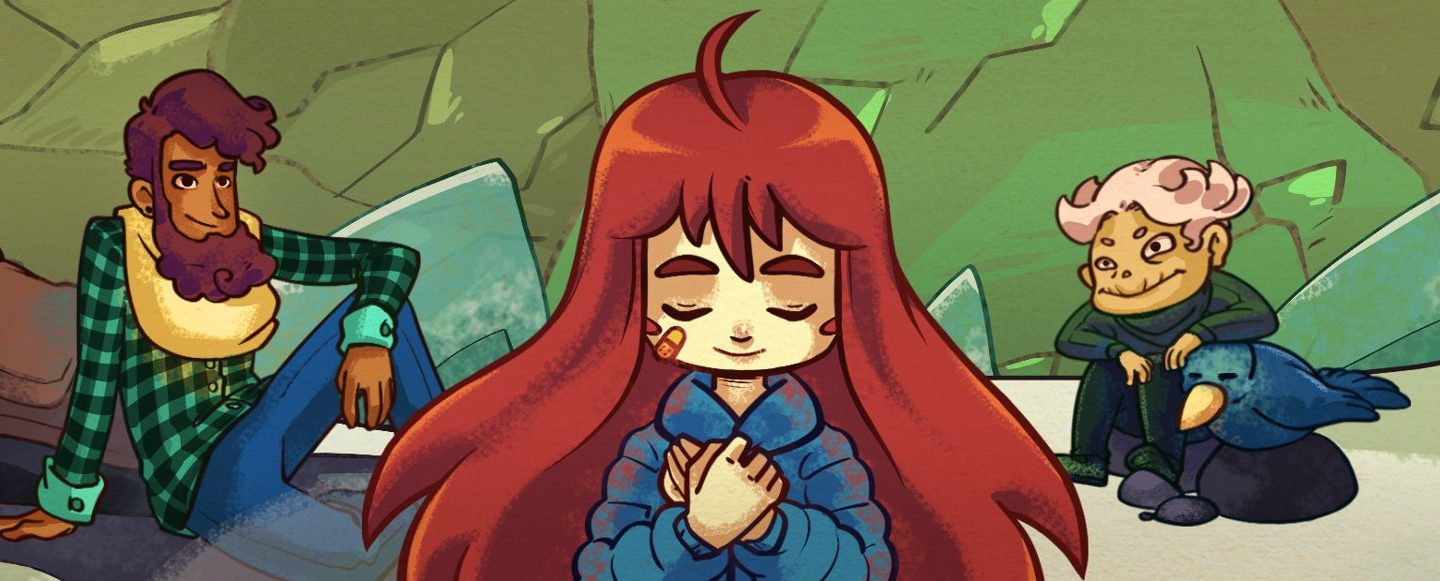
Celeste combines demanding platforming with Assist Mode. Its existence makes the design conversation more interesting, not less. Players can retain the default challenge or adjust their relationship with it. The game does not need to pretend that every configuration produces an identical sequence of demands. It can acknowledge difference while keeping the mountain available to more people.
The important lesson is not that every game should copy exactly the same menu. It is that options can be integrated into a coherent creative stance. Celeste's quick retries and emotional framing already treat repeated attempts with patience. Adjustable support extends that attitude. The mechanical and narrative choices work together, giving flexibility a place in the design rather than leaving it as an apology outside the experience.
Options need clear descriptions
An option is more useful when a player can understand what it changes before committing to it. Vague labels can force experimentation without enough context. Clear descriptions help someone choose support relevant to the actual barrier: visual information, timing pressure, input complexity or another demand. The interface should make that choice manageable rather than requiring a separate research project.
Reversibility can also matter. Players may want to test an adjustment, learn how it affects the task and change it later. A rigid all-or-nothing framing can make an otherwise useful feature feel intimidating. The purpose of a setting is to support an experience, not to make the act of choosing it another high-stakes challenge. Good interface language respects that practical purpose.
Difficulty labels tell only part of the story
A menu with easy, normal and hard settings does not by itself explain which demands change. Enemy health, damage, resource availability and timing can all create different experiences. A player may need help with one dimension while enjoying another. More specific options can make that relationship easier to manage, although too much unexplained complexity can create a new barrier of its own.
Review coverage should therefore go beyond listing whether difficulty settings exist. It should describe what the available controls do where that information has been verified. A broad claim that a game is accessible because an easier mode exists can overlook barriers unrelated to combat pressure. Likewise, a game without a conventional difficulty menu may still include valuable options that deserve individual attention.
Avoid turning a personal preference into a universal rule
Some players value a shared default challenge and enjoy comparing progress within it. That is a legitimate preference. It does not require every other player's experience to be identical or every alternative configuration to be dismissed. A personal accomplishment can remain meaningful without establishing a compulsory route through the game for everyone else.
The reverse is also true: the existence of a setting does not obligate a player to use it. Flexibility can accommodate different priorities. The useful design question is how to communicate the intended default while allowing informed adjustments. A clear recommendation and a respectful menu can coexist. The discussion becomes more productive when it focuses on what people need rather than what they must prove.
Reporting should describe evidence and limits
A reviewer cannot infer every user's needs from a short options menu. A responsible assessment identifies what was examined, on which version and with what limits. Where appropriate, specialist accessibility coverage and feedback from players with relevant lived experience can provide information a general review does not. No single score should be expected to replace that detail.
This article is design commentary, not a comprehensive accessibility audit of Celeste or any other game. Its argument is about asking clearer questions. Before purchasing, verify the specific features that matter to you using current documentation and relevant reports. A useful publication should make those checks easier and distinguish verified behaviour from assumptions based on a feature's name.
A broader understanding of meaningful challenge
Challenge can involve making a decision under uncertainty, understanding a system or executing a movement. Accessibility work can help identify which part is central and which part unnecessarily limits participation. That investigation can improve clarity for a broad audience while still serving players who want a demanding default. The outcome depends on thoughtful implementation, not the mere presence of a checkbox.
The strongest conclusion is modest but practical: ask what is difficult, for whom, and why that demand matters to the experience. Then ask which options could make engagement more possible. Those questions produce better information than a single argument about whether games should be easy. They leave room for creative intention, player choice and the reality that the same input sequence can represent very different obstacles.
Further reading
Our Celeste review examines how precise movement and compassionate framing work together. The beginner movement guide offers practical advice for learning the climb. Celeste's official developer change log documents its options and updates; consult the installed version for the current menu and behaviour.


What is your perspective?
Share a useful observation. Keep spoilers clearly signposted and follow our community guidelines.