A difficult game can be satisfying because it asks you to learn. It becomes less satisfying when you cannot tell what the last attempt taught you. The difference is often a matter of approach rather than raw speed. These habits are useful across different genres, although each game's mechanics still need their own explanation. Think of them as a method for investigating a problem, not a guarantee of winning immediately.
1. Name the obstacle precisely
I keep losing is a description of the result, not the problem. Try something narrower: the second attack catches me after I dodge, I run out of movement before the landing, or my party begins combat in a vulnerable group. A specific observation suggests a specific experiment. It also prevents one mistake from becoming a vague judgement about your ability to play the whole game.
Write the observation down if several attempts have blurred together. You do not need a complete log; one sentence can preserve the useful part. This is particularly helpful when returning after a break. Instead of spending another session rediscovering the same obstacle, you can begin with the question you already identified and test whether a different approach answers it.
2. Change one thing at a time
If you change equipment, timing, route and target priority at once, a better result can be hard to explain. Keep the working parts of the plan and alter the part that seems responsible for the failure. That makes success repeatable. You are building a method rather than hoping that a different combination of inputs happens to work once.
This does not mean refusing a larger strategic change when the entire approach is unsuitable. It means knowing the scale of the experiment. A different party formation is one coherent change; randomly replacing several unrelated choices is not. Once the new approach produces useful information, decide whether to keep it, refine it or return to the previous plan.
3. Separate observation from execution
An unfamiliar encounter can demand so much attention that you never notice its pattern. Spend part of an attempt watching preparation, movement and recovery. In a tactical game, inspect the interface and log. In a platformer, examine the safe surfaces before moving. Observation is an active part of learning even when it produces less immediate damage or progress.
The purpose is not endless hesitation. It is gathering enough information to make the next action meaningful. Once you recognize a safe opening, test a small response. A deliberate hit or a single reliable jump provides a better foundation than an ambitious sequence performed without understanding why it succeeds or fails.
4. Make the setup comfortable
Controls, display settings and accessibility options affect what the game asks of you. Check whether frequent actions can be performed comfortably and whether important information is readable. A different binding or reduced visual effect may remove friction unrelated to the challenge you actually want. Do not confuse an uncomfortable setup with a requirement to demonstrate commitment.
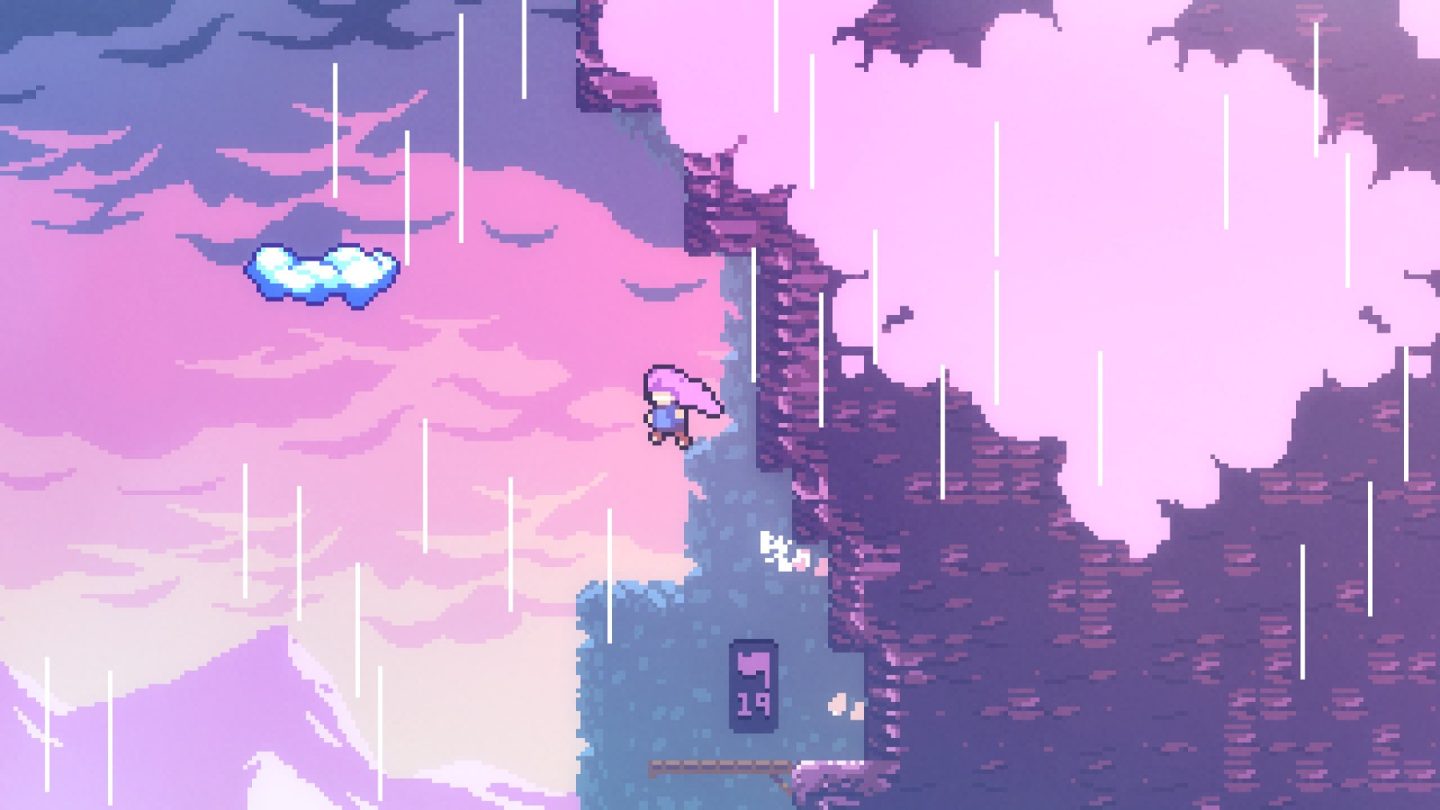
Options vary between games and versions, so read the available descriptions instead of assuming a universal menu. The goal is a useful relationship between the task and your needs. Our accessibility essay explores that distinction, while the Celeste movement guide shows how it applies to one particular platformer.
5. Choose a smaller measure of progress
A complete victory is not the only useful outcome. Reaching a later phase with more resources, recognizing a route or reliably handling one attack can show meaningful improvement. Choose a measure that is close enough to observe. This gives the next attempt a purpose even when the final objective still requires several skills to come together.
Smaller goals also reveal whether practice is working. If the same mistake occurs without change, revisit the explanation rather than simply extending the session. A plan that produces no new information deserves adjustment. More time can help, but time alone is not a substitute for understanding the particular action you are trying to improve.
6. Stop before fatigue becomes the lesson
Fast retries can make a tired player continue long after attention has stopped improving. If inputs become hurried and the intended adjustment disappears from memory, pause. Rest can make an already learned pattern visible again. Taking a break is not abandoning the challenge; it is recognizing that the current conditions are no longer useful for learning it.
Leave yourself a clear starting point. A save, checkpoint or short note about the next experiment helps preserve continuity. The best place to stop is not always immediately after a dramatic success. Sometimes it is after identifying the problem accurately enough that the next session can begin with purpose rather than frustration.
7. Keep the reason you chose the game in view
Completion culture can turn optional content into an assumed obligation. Ask whether a challenge contributes to the experience you want now. You may enjoy a story without collecting every item, or enjoy exploration without proving mastery of the hardest optional encounter. A personal goal is more durable than a checklist inherited without reflection.
If you do want complete mastery, make that a deliberate project with room for gradual progress. The important point is choosing the goal consciously. Games offer different forms of pleasure, and difficulty is one possible ingredient. It works best when the effort connects to something you value, rather than becoming a test you no longer remember agreeing to take.
Put one habit into the next session
Do not turn seven suggestions into seven additional tasks. Choose the habit that solves the problem you have. If a boss is unreadable, observe. If a room is nearly consistent, change one timing detail. If the session has become exhausting, stop and return later. A useful method should reduce confusion, not become another source of pressure.
For game-specific applications, see our Hades escape guide, Baldur's Gate 3 Act One guide and Hollow Knight exploration guide. Their mechanics differ, but the habit of asking a clear question remains useful across all three.

What is your perspective?
Share a useful observation. Keep spoilers clearly signposted and follow our community guidelines.