The most useful recommendation begins with the person playing, not the size of a game's reputation. A celebrated release can still be a poor fit for the time, attention or mood you have available. These five games offer distinct kinds of satisfaction. The order is not a ranking. Each entry identifies an appetite the game serves well and a reason it might be the wrong choice for you right now.
Availability and platform features should be checked against the current store listing for the edition you intend to use. The recommendations below concern design and player fit, rather than a newly performed technical comparison across devices. If performance or a particular accessibility option is essential to your purchase, investigate that requirement separately before buying.
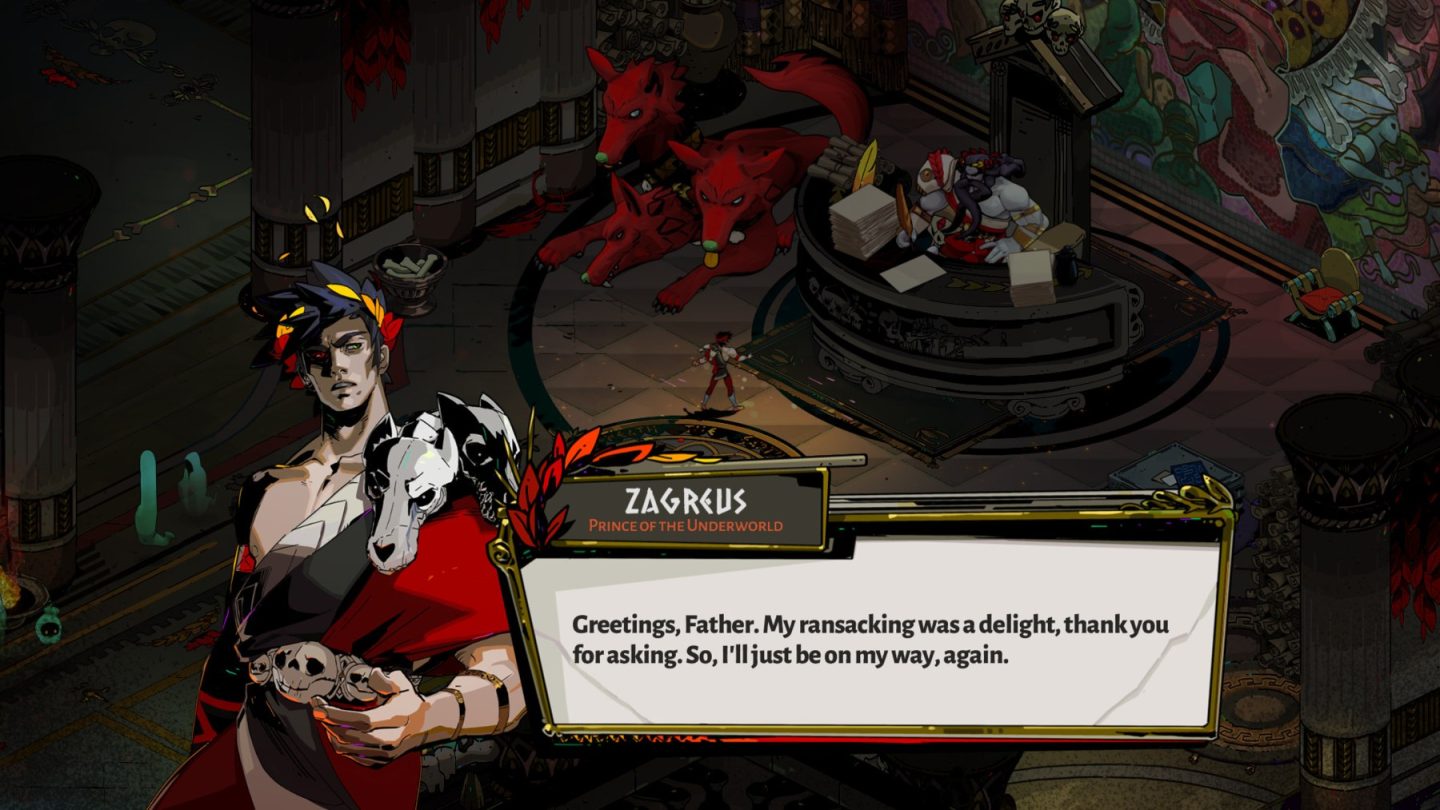
1. Hades: for the player who likes a purposeful attempt
Hades suits players who enjoy beginning a run with a clear immediate objective and adapting when the available rewards change. Combat asks for attention, while the broader structure gives failed attempts a place in the continuing experience. The appeal is not simply that another run is available. It is that your growing understanding changes the decisions inside that run, even when the final goal remains distant.
Choose it when you want action that rewards observation and a structure that makes experimentation feel consequential. Approach cautiously if repeating an opening route sounds inherently frustrating or if you dislike reacting to several threats at once. The full Hades review explains that balance, and the first-escape guide offers a method for turning attempts into useful learning.
2. Stardew Valley: for the player who wants to shape a routine
Stardew Valley is a strong choice when you want gradual ownership of a place. Farming, town life and exploration provide several definitions of a productive day. A field, path or room becomes satisfying because it is part of a routine you recognize. The game can support optimization, but it does not require every player to make maximum output the central goal.
Choose it when you enjoy patient projects and visible improvement. Be aware that the calendar and energy systems create pressure beneath the welcoming presentation. A player hoping for a world with no deadlines may need to adjust expectations. Our Stardew Valley review examines that tension; the first-spring guide helps establish a manageable pace.
3. Celeste: for the player who enjoys refining one clear action
Celeste makes a compact movement problem feel worth practicing. A room gives you a route to understand, and quick retries keep the lesson close to the mistake. Its story and accessibility options add a compassionate context to an exacting platformer. The attraction is precision with a purpose, rather than difficulty used only as a badge of seriousness.
Choose it when learning a movement sequence sounds satisfying and you appreciate a focused challenge. It may be less appealing if you prefer broad systemic freedom or dislike repeating short sequences. You can use the game's options to adjust the experience. Read our Celeste review for the design assessment and the first-climb guide for a deliberate introduction to movement.
4. Hollow Knight: for the player who wants to understand a place
Hollow Knight offers the pleasure of gradually connecting an unfamiliar world. Routes, landmarks and movement abilities change how you understand spaces you have already seen. Combat matters, but knowledge of the kingdom is a reward in its own right. A previously confusing journey can become a familiar connection, making your growing confidence visible without replacing the environment.
Choose it when exploration and uncertainty feel inviting. Consider another option if backtracking, recovery journeys or fragmentary storytelling are likely to exhaust your patience. Our Hollow Knight review discusses both the atmosphere and the friction, while the early-route guide suggests a method for finding your bearings without converting discovery into a rigid checklist.
5. Baldur's Gate 3: for the player who wants decisions to matter
Baldur's Gate 3 is an excellent fit when you want conversation, exploration and tactical encounters to influence one another. A character build matters, but so does the way you approach a scene. The party gives those decisions different perspectives. Its appeal depends partly on allowing events to produce a story you did not completely script in advance.
Choose it when you have attention for a substantial role-playing experience and enjoy evaluating possibilities. It may be a demanding fit for a player seeking immediate, uncomplicated action. You do not need a perfect build to begin. Our Baldur's Gate 3 review explains its strengths, and the Act One guide introduces practical habits without prescribing every choice.
Choose the next experience, not the longest checklist
Before buying, describe the session you hope to have. Do you want to make a small creative improvement, learn a difficult movement, investigate a world or follow a consequential conversation? That description is more useful than a general request for the best game. It connects the purchase to an experience you can recognize and gives a review's strengths and criticisms a personal meaning.
You can also change your choice later. A game that is a poor fit for a tired evening may be ideal for a free weekend. Recommendations work best as invitations with conditions, not instructions to enjoy the same thing at the same time. Use our reviews as a map of those conditions and let your available attention help decide the route.

What is your perspective?
Share a useful observation. Keep spoilers clearly signposted and follow our community guidelines.