Choosing a game becomes easier when the question changes from what is everyone playing to what experience do I want next. Popularity can reveal something interesting, but it cannot know your available time, preferred pace or tolerance for a particular kind of friction. These five questions help turn a review into a personal decision instead of a score to accept or reject.
They also provide a useful defence against buying a project rather than an experience. A long feature list can be exciting while concealing the activity you will repeat most often. Find that activity first. If it sounds appealing, the surrounding systems can deepen the value. If it sounds exhausting, another hundred hours of it will not automatically make the purchase more suitable.
1. What do I want to do during an ordinary session?
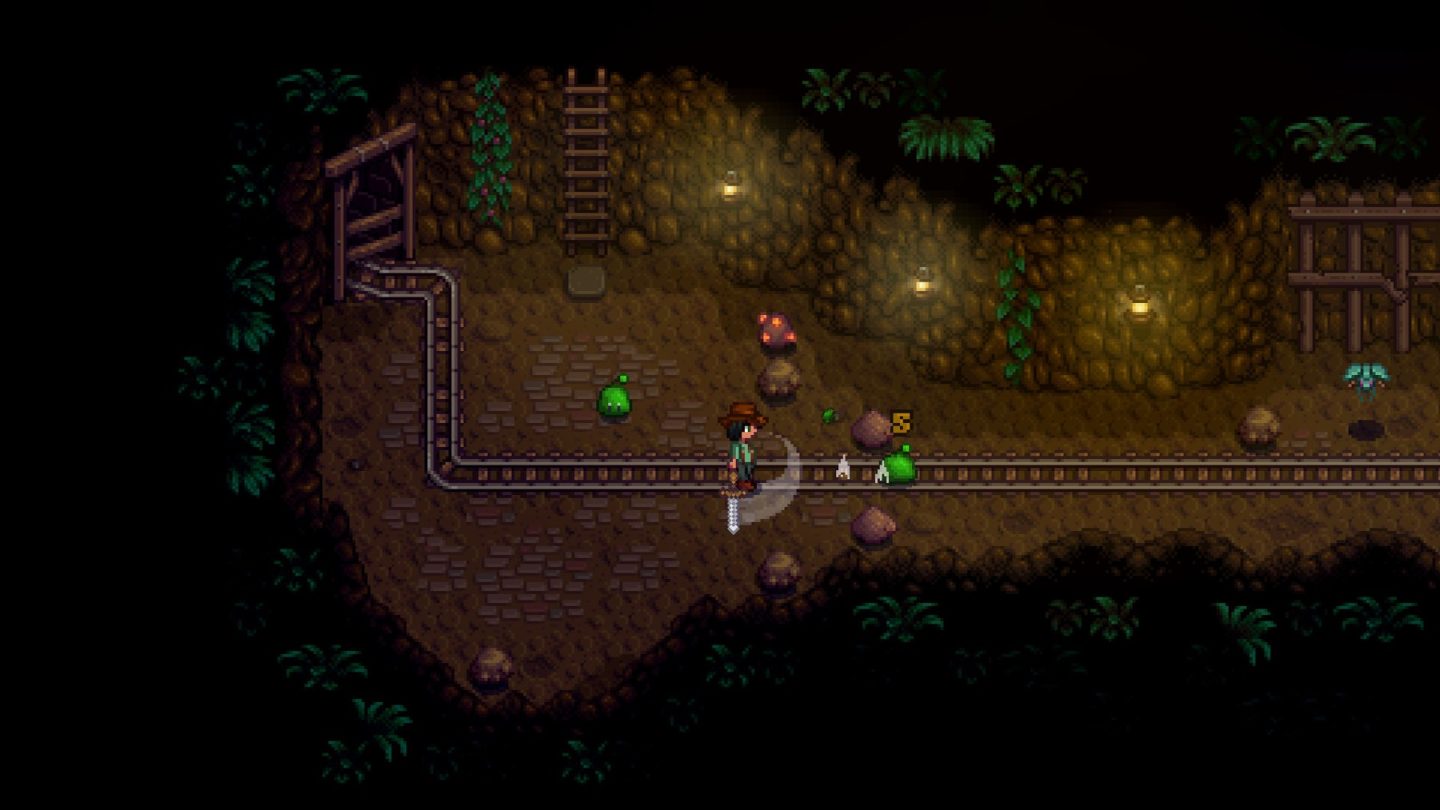
Describe the repeatable activity, not the promotional spectacle. In Stardew Valley, an ordinary session may involve maintaining crops, visiting town and choosing an outing. In Hades, it may involve another combat run shaped by changing rewards. In Baldur's Gate 3, it may involve conversation, exploration and a tactical encounter. Each can be excellent while serving a different appetite.
Look for the part of a review that explains this loop. A striking boss or dramatic story moment matters, but it may occupy a small fraction of the total experience. If the everyday rhythm sounds enjoyable, you have a stronger basis for the purchase. If only the highlight reel appeals, investigate further before assuming the rest will feel equally engaging.
2. What kind of effort feels rewarding right now?
Effort is not one universal resource. Precise movement, long-term planning, reading dialogue and remembering routes demand different forms of attention. A player may happily spend an evening learning a difficult jump while finding inventory management tiring, or feel exactly the reverse. Neither preference says anything simple about whether the person likes challenging games.
Read criticisms through that distinction. Backtracking can be a pleasure when it reveals a newly understood world and a burden when you want immediate forward movement. A complex combat system can be fascinating or overwhelming depending on the attention you want to give it. The useful question is whether the demand supports the kind of satisfaction you are seeking in this particular period.
3. How will the game fit my actual routine?
Consider session length, interruptions and the device you normally have available. A game may be compelling but difficult to resume after long gaps if you forget the current plan. Another may offer a clearer short-term loop. That does not mean one is objectively better. It means a game can fit a routine well or require a routine you do not currently have.
Check practical details such as saving, online requirements and multiplayer coordination in current official information. Do not assume that a familiar genre guarantees a particular convenience. If playing with friends is the main reason to buy, confirm the supported platforms and group arrangement before purchasing. An excellent solo recommendation does not automatically answer the logistics of a shared campaign.
4. Which limitations would matter to me?
Every review contains trade-offs. The important ones are the ones you are likely to encounter repeatedly. A player sensitive to small text needs different information from someone concerned primarily about combat pacing. A particular control or accessibility option may be more important than a broad verdict about polish. Identify the requirement before searching for the answer.
For technical claims, look for evidence tied to a specific platform, version and test. A score cannot guarantee performance on your device. Nor should an old complaint automatically be assumed to describe the current build. Useful criticism states its scope, while a careful buying decision checks the details that would change the outcome for you.
5. Am I interested in this game or in keeping up?
Release cycles can make an optional hobby feel like a queue of obligations. Before buying, imagine the same game appearing without a countdown, a trending topic or a limited conversation window. Would its core activity still interest you? If the answer is yes, the attention may have helped you discover something useful. If the answer is uncertain, waiting can provide more information and a clearer sense of your own interest.
Waiting is not a universal rule either. A shared launch with friends can be part of the value, and some players enjoy discovering a new system alongside a community. The point is to recognize that social experience as a reason rather than confuse it with a guarantee of personal fit. Choose deliberately, whether the result is buying now, returning to a familiar game or skipping the release entirely.
Turn the answers into a simple decision
Write one sentence about the desired loop, one about the available routine and one about any non-negotiable requirement. Then compare those sentences with the review. This small exercise usually reveals more than comparing scores across unrelated games. It connects criticism to a real use case and makes both praise and disappointment easier to interpret.
Our five games for five player types offers concrete starting points. The Stardew Valley review, Celeste review and Baldur's Gate 3 review explain different kinds of commitment. Use them as descriptions of possible experiences, then choose the one that fits the time and attention you want to spend.

What is your perspective?
Share a useful observation. Keep spoilers clearly signposted and follow our community guidelines.